
You’ve noticed something is off with your teenager. Maybe they’re sleeping until noon, snapping at everyone in the house, or just… quiet in a way that feels different from their usual self. You tell yourself it’s probably just a phase. Teenagers are moody, right?
Sometimes that’s true. But sometimes what looks like a bad attitude or typical teenage drama is actually depression—and the sooner you can recognize the difference, the sooner your teen can get the support they need.
Depression in teenagers is more common than most parents realize. And because teen depression often looks different from adult depression, it’s easy to miss or misread entirely.
Here’s what to watch for—and what to do if something feels wrong.
Why Teen Depression Is So Easy to Miss
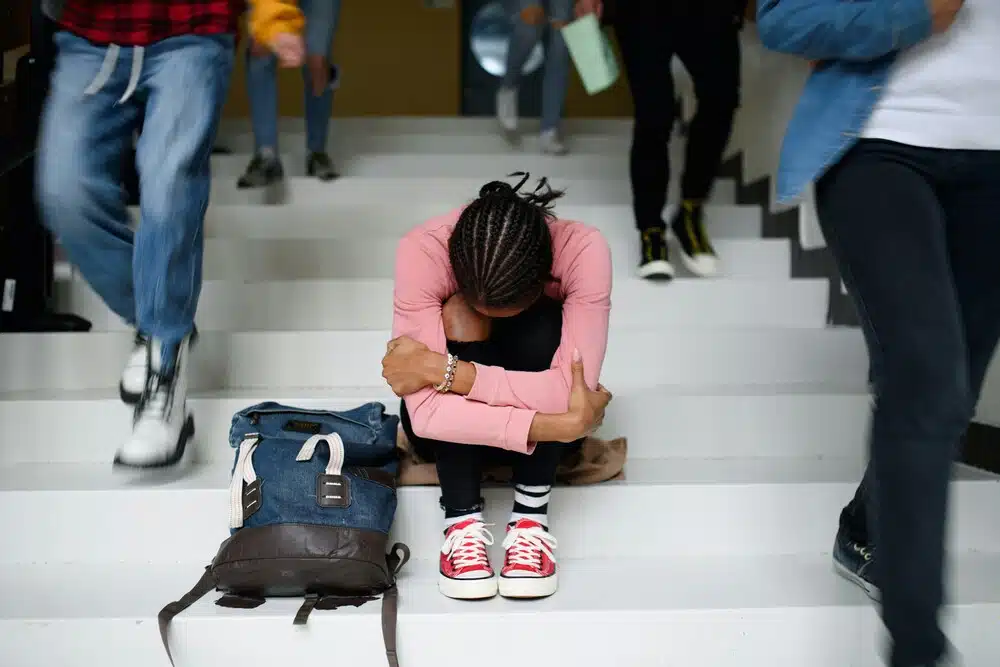
Adult depression tends to look like sadness, low energy, and withdrawal. Teen depression can show up that way too—but it just as often looks like irritability, anger, or acting out. A depressed teenager might pick fights more easily, push harder against rules, or seem like they’ve suddenly stopped caring about things they used to love.
That’s easy to write off as normal teenage behavior. The difference is persistence and impact. When these changes stick around for two weeks or more and start affecting school, friendships, or daily functioning, it’s time to pay closer attention.
Emotional Warning Signs

These are the internal signals—things your teen may be feeling but not necessarily putting into words.
Persistent sadness or emptiness. Not just a bad day, but a heaviness that doesn’t lift. Your teen might describe feeling numb, hopeless, or like nothing matters anymore.
Irritability and anger. For many teenagers—especially boys—depression expresses itself as frustration and anger more than sadness. Constant low-grade rage with no clear cause is worth noticing.
Feelings of worthlessness or guilt. Listen for statements like “I’m stupid,” “Nobody likes me,” or “I ruin everything.” These aren’t just venting—they can reflect how a depressed teen genuinely sees themselves.
Loss of interest in things they used to love. Did your teen used to come alive for soccer, art, gaming with friends, or your church youth group—and now they don’t want to go? When nothing brings joy anymore, that’s a significant signal.
Feeling hopeless about the future. Depression tells teens that things will never get better. Watch for comments suggesting they can’t imagine things changing—especially statements that sound like giving up.
Behavioral Warning Signs
These are the changes you can observe from the outside.
Withdrawing from friends and family. Social withdrawal is one of the most consistent signs of teen depression. If your once-social teenager has gone quiet on group chats, started skipping events, or barely leaves their room, that shift matters.
Declining grades or school avoidance. Depression makes it hard to concentrate, stay motivated, and retain information. A noticeable drop in grades—especially if it’s sudden—or increasing resistance to going to school can signal something deeper.
Changes in sleep. Sleeping far more than usual, struggling to fall asleep, or waking up in the middle of the night and lying there for hours are all connected to depression.
Changes in appetite or weight. Some depressed teens stop eating; others eat significantly more. Either pattern, especially when it’s persistent and noticeable, is worth talking about with a doctor.
Neglecting hygiene and appearance. When a teenager stops caring about how they look or stops taking care of themselves in basic ways, it can reflect a deeper loss of motivation and self-worth.
Reckless behavior. Some depressed teens start taking risks they normally wouldn’t—impulsive choices, substance use, dangerous behavior. This can be a way of feeling something when they’ve otherwise gone numb.
Physical Warning Signs
Depression isn’t only emotional. It shows up in the body too.
- Frequent headaches or stomachaches with no clear medical explanation
- Persistent fatigue that sleep doesn’t seem to fix
- Moving or speaking more slowly than usual
- Physical complaints that keep them home from school or out of activities
If your teen is regularly visiting the school nurse or complaining about physical symptoms that don’t have an obvious cause, it’s worth asking whether something emotional might be underneath it.
When to Act Immediately
Most warning signs of depression call for a caring conversation and professional support. But some situations require immediate action.
Get help right away—or call 988 (the Suicide & Crisis Lifeline)—if your teen:
- Talks about wanting to die, disappear, or not be here anymore
- Says things like “everyone would be better off without me”
- Gives away meaningful belongings
- Researches methods of self-harm
- Is hurting themselves in any way
These are not dramatic statements to brush past. They are calls for help. Take every single one seriously.
How to Start the Conversation

One of the most powerful things you can do is simply let your teen know you’ve noticed and you care. You don’t need perfect words—you just need to show up.
Something like: “I’ve noticed you seem really tired lately and not like yourself. I’m not here to lecture you—I just want you to know I love you, and I’m here if you ever want to talk.”
A few things that help:
- Pick your moment. Side-by-side conversations—driving, walking, cooking—often go better than face-to-face talks that feel like an interrogation.
- Listen more than you talk. Resist the urge to immediately fix, reassure, or solve. Just listen.
- Validate what they’re feeling. You don’t have to fully understand depression to say “That sounds really hard. I’m glad you told me.”
- Don’t minimize it. Responses like “You have so much to be grateful for” or “Everyone feels that way sometimes”—even when well-meaning—can shut the conversation down fast.
A Word About Faith
If your family is rooted in faith, depression can bring up complicated feelings for everyone involved. Some teenagers feel ashamed that they’re struggling, like it means their faith isn’t strong enough. Some parents quietly wonder if their teen just needs to pray more or lean harder into church.
Here’s the truth: depression is a medical and psychological condition, not a spiritual failure. It affects brain chemistry, and it responds to treatment. Just as you wouldn’t tell your teen to pray away a broken leg, depression deserves real clinical support—alongside spiritual care, not instead of it.
God is close to the brokenhearted (Psalm 34:18). Faith can be a real part of your teen’s healing. It just shouldn’t be a substitute for getting help.
What Professional Support Looks Like
If you’re concerned about your teenager, the next step is connecting with a licensed counselor who works with adolescents. Therapy gives teens a space to process what they’re carrying without worrying about how it lands on their parents—and it equips them with real tools to start feeling better.
At Redeemed Life Counseling, we work with teens and families navigating depression, anxiety, and everything adolescence can throw at a person. Our counselors integrate clinical expertise with a faith-based approach—so your teen’s whole self, emotional, relational, and spiritual, is cared for.
You don’t have to figure this out alone. If something feels off with your teenager, trust that instinct.
Contact us to schedule an appointment or call us at 940-222-8552.
Redeemed Life Counseling is located at 415 US-377, Suite 202 & 204, Argyle, TX 76226. We serve families throughout Denton County including Northlake, Bartonville, Lantana, Justin, Roanoke, and Denton.
